
Xiaoyi Lin
About Me
Hi, I am Elsie (Xiaoyi) Lin, a Machine Learning Engineer at Ambarella working on autonomous driving perception and robotics systems. I received my M.S. degree in Computer Engineering from New York University, where I conducted research in the Control and Networks Lab (CAN Lab) and AI4CE Lab.
My work focuses on deep learning-based perception systems, multi-modal sensor fusion, trajectory prediction, and real-time AI deployment for autonomous systems. At Ambarella, I develop production-grade radar perception DNN pipelines using high-resolution imaging radar and Transformer-based architectures for traffic actor detection, tracking, free-space reasoning, and autonomous driving behavior understanding. I also work on Quantization Aware Training (QAT), model compression, and embedded deployment optimization for real-time inference on resource-constrained autonomous driving platforms.
Previously, I worked at Amazon Robotics on motion planning and machine-learning-based collision checking systems for robotic manipulation and autonomous navigation. My research experience spans autonomous driving, reinforcement learning-based motion planning, SLAM, mapping/localization, diffusion-based planning systems, and large-scale simulation/testing infrastructure.
I am actively seeking PhD opportunities in Robotics and Embodied AI.
Technical Skills
- Programming Language: C++, Python, Matlab, ShellScript, sql, html, java, javascript
- Frameworks: TensorFlow, PyTorch, OpenCV, ROS, Django, React, Flask
- Software & Tools: Docker, CMake, scikit-learn, Git, OpenVSLAM, Solidworks, Ansys
Work Experience
-
Machine Learning Engineer
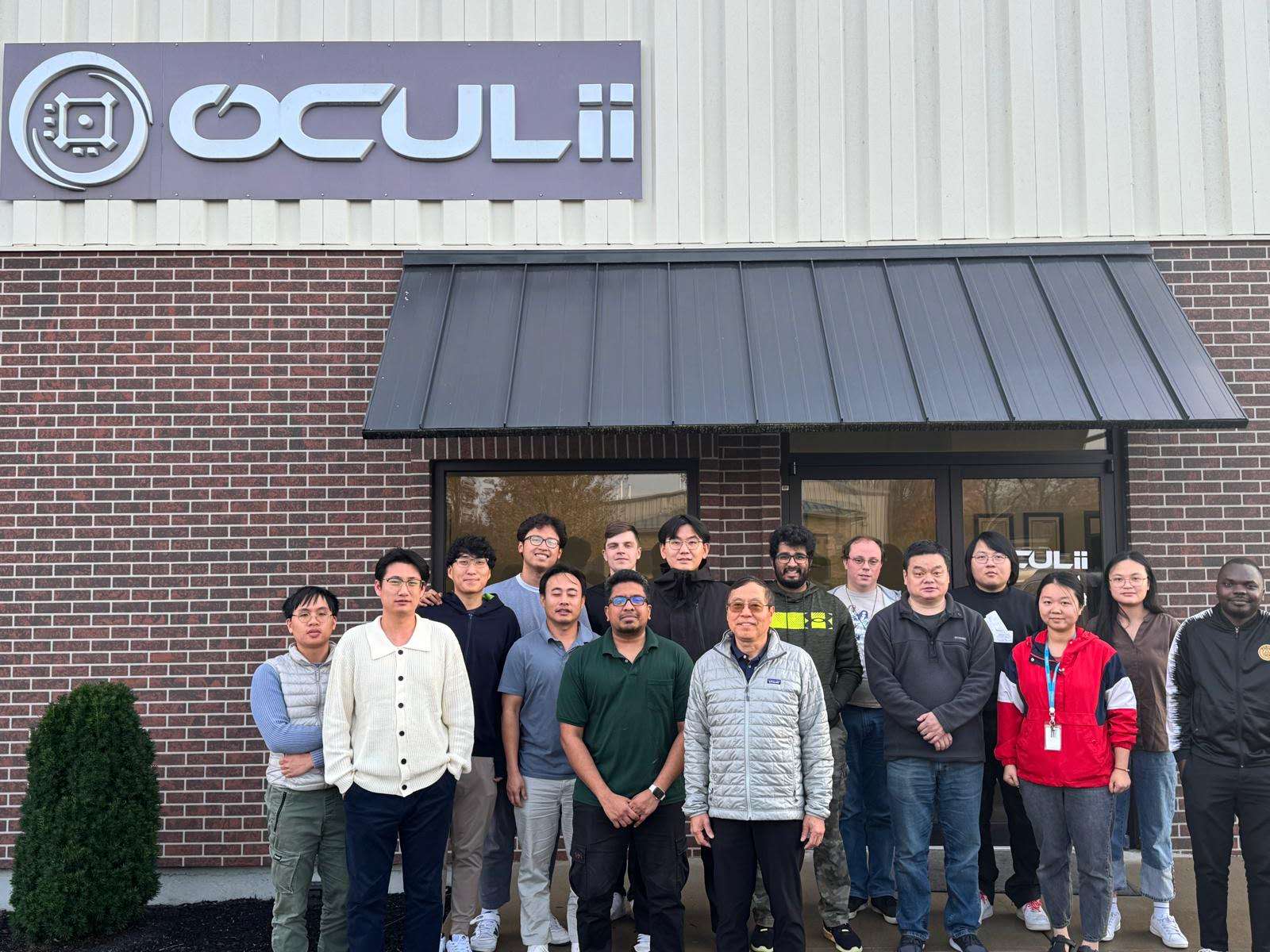
Oculii (An Ambarella Company), Beavercreek, OH
Developed production-grade autonomous driving systems using high-resolution imaging radar and deep learning pipelines. Improved traffic actor classification accuracy from 60% to 82% using multi-modal Transformer-based perception systems. Conducted research on Quantization Aware Training (QAT), model compression, and real-time embedded deployment optimization. Developed Occupancy Grid Mapping and free-space reasoning systems for navigation-aware autonomous driving applications.
-
C++ SDE Intern
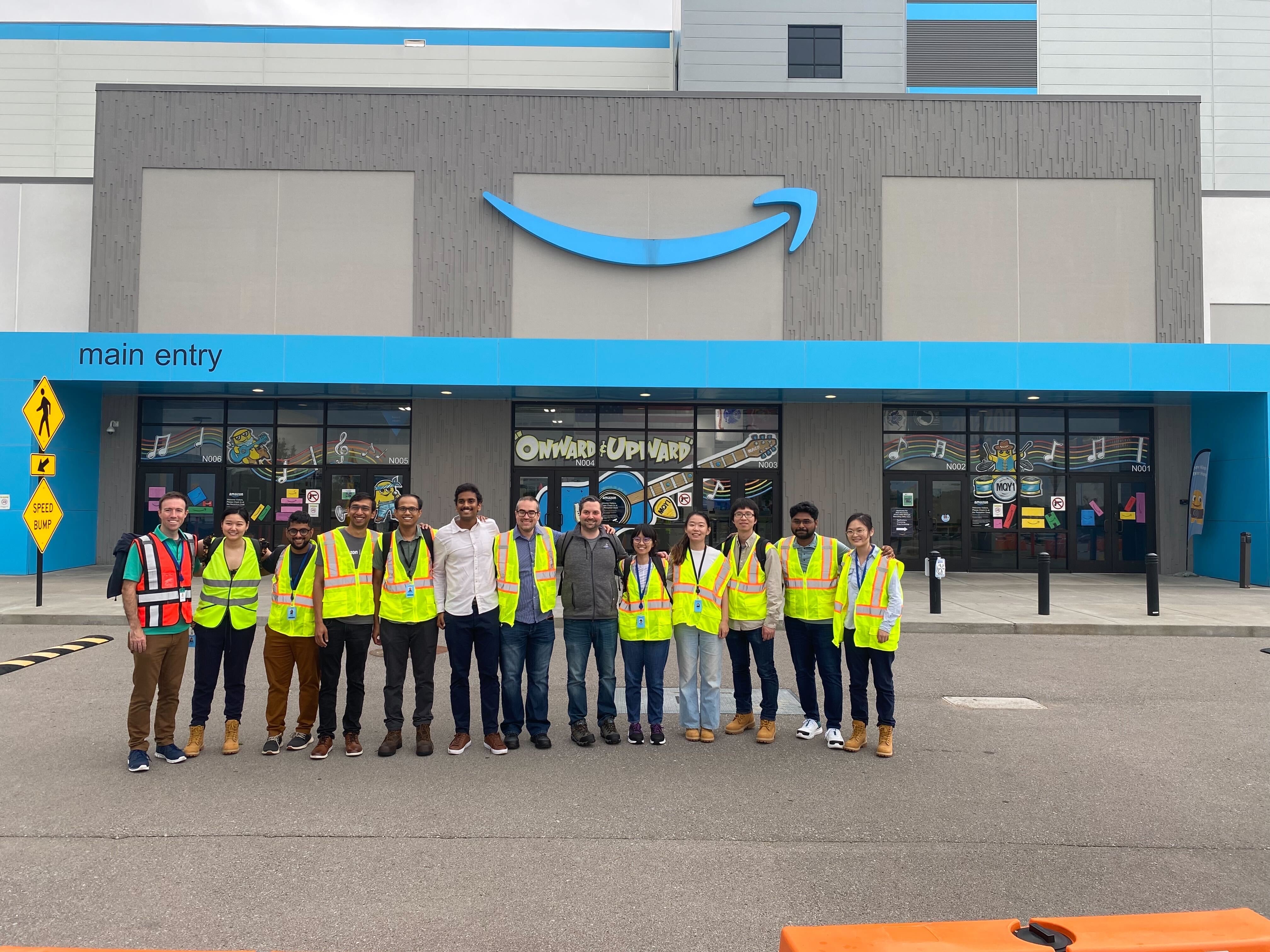
Amazon Robotics, North Reading, MA
Adopted and implemented an up-to-date machine learning-based algorithm for collision detection using C++. Effectively integrated the algorithm with motion planning code base; reduced 5.4% overall computational expenses for each planning, improving collision checking run-time from ~1ms to ~100ns. Developed test strategy and conducted simulations on the Nvidia PhysX platform and AWS S3.
-
R&D Intern
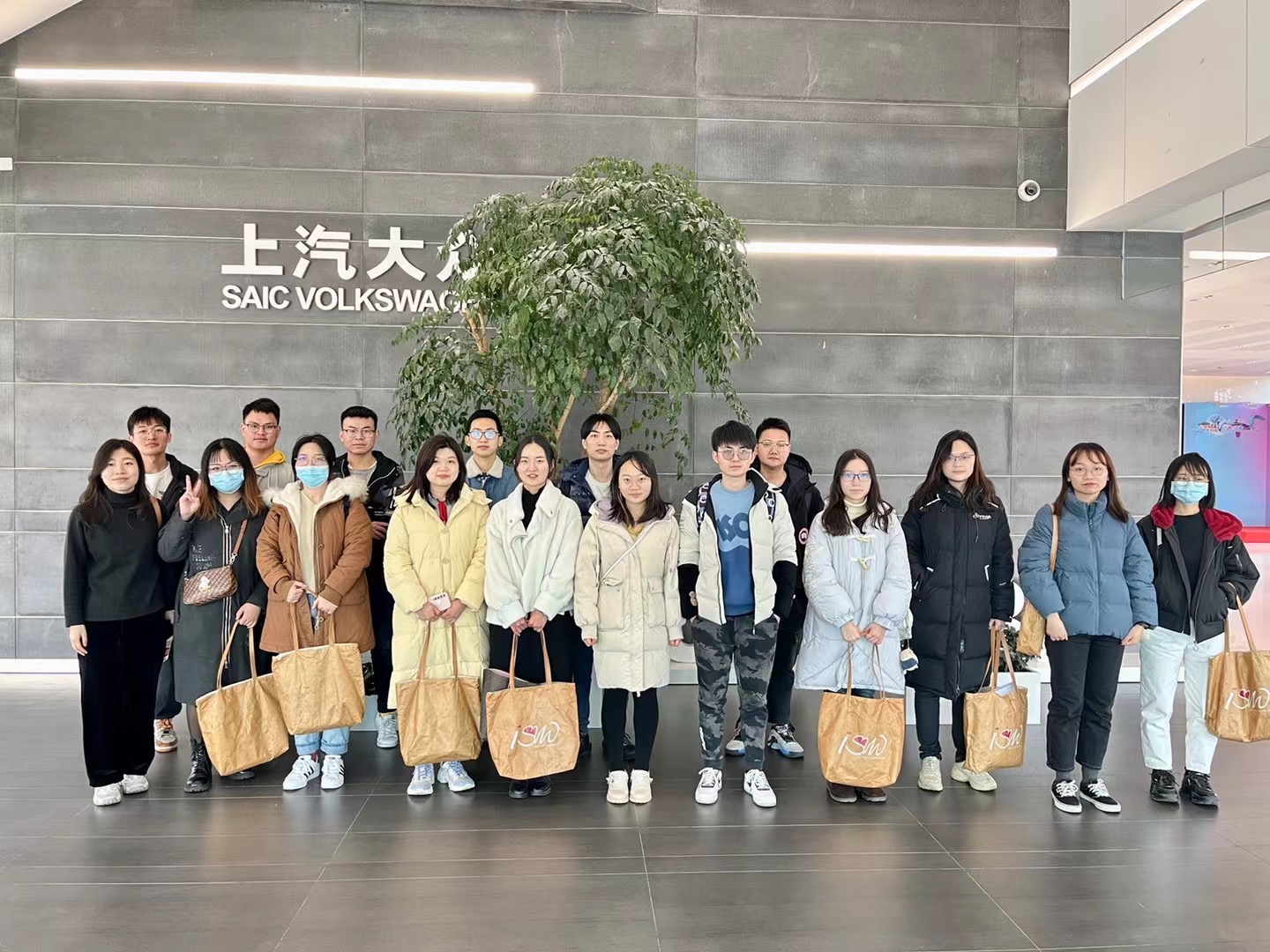
Volkswagen, Shanghai, China
Improved a machine learning-based driver fitness determination system using Python. Resolved the overfitting problem by decreasing the sensitivity of RNN, reducing the error rate of blinking detection by 12%; Adopted CI/CD to deploy the system onto the flagship model VW Tiguan using C++ and AUTOSAR
Patterns
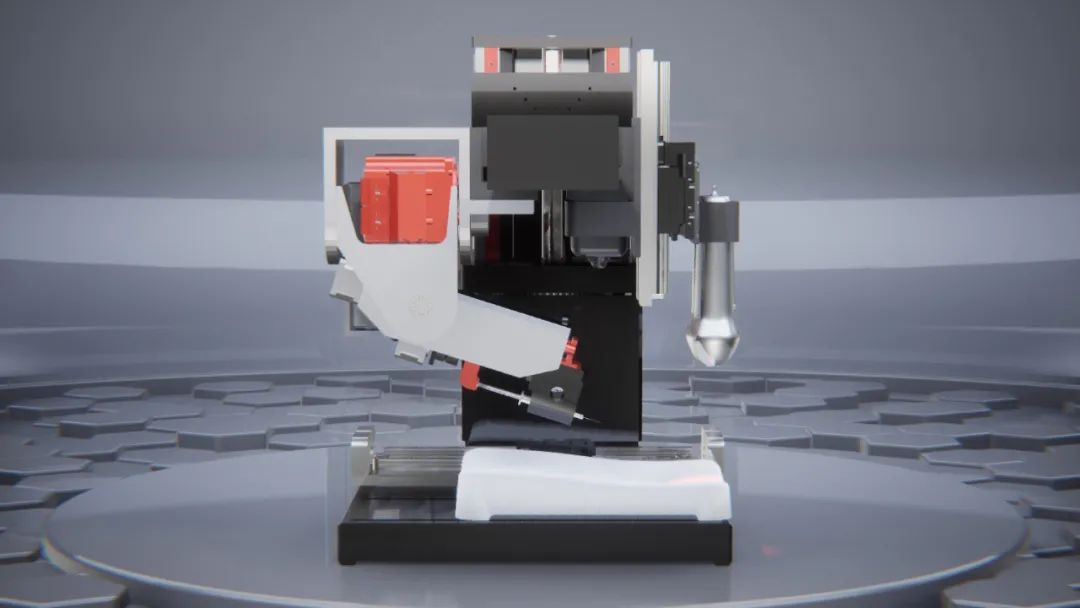
- [CN214128773U] Integrated end device for automatic needle inserting robot
- [CN112365489A] Ultrasonic image blood vessel bifurcation detection method
- [CN113111915A] Database enhancement method applied to vein insertion robot blood vessel identification
- [CN112381816B] Blood vessel puncture angle acquisition and puncture method based on image recognition and feedback control
Publications
-
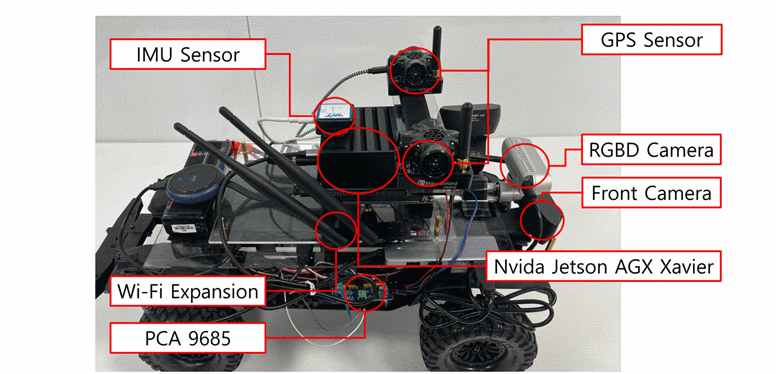 ITSC
International Conference on Intelligent Transportation Systems (ITSC), 2024.
ITSC
International Conference on Intelligent Transportation Systems (ITSC), 2024. -
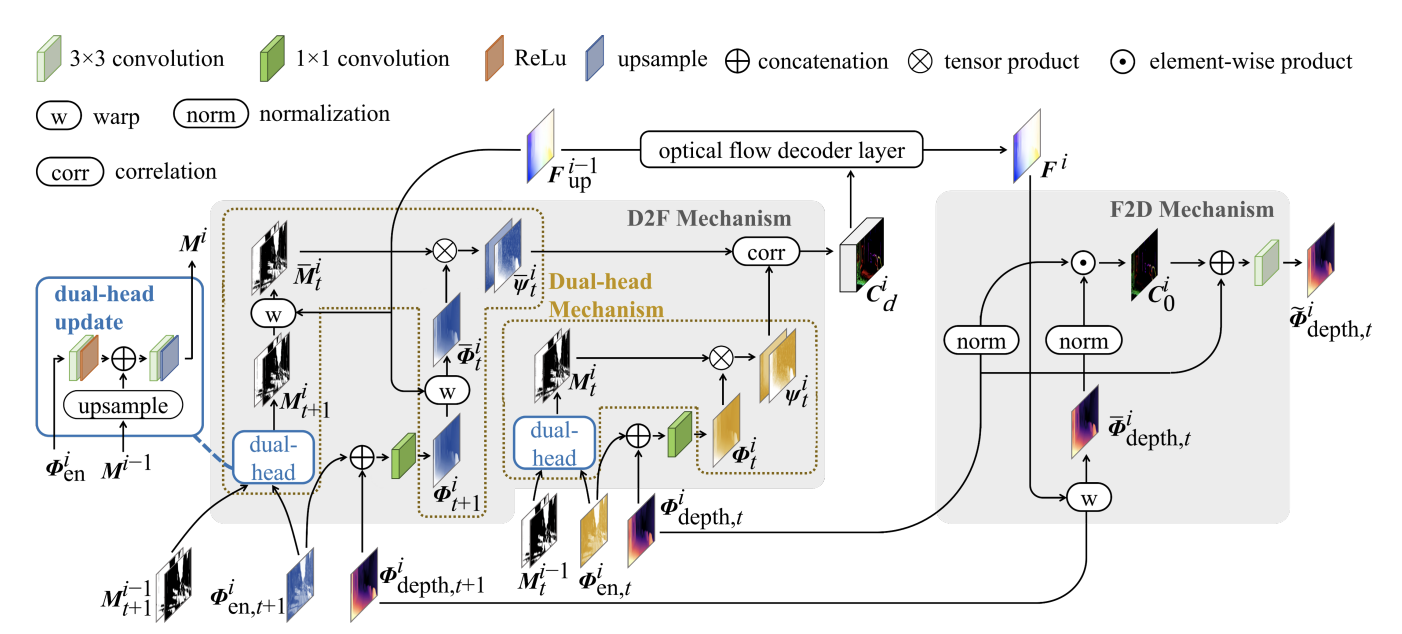 CVPR
IEEE/CVF Conference on Computer Vision and Pattern Recognition (CVPR), 2020.
CVPR
IEEE/CVF Conference on Computer Vision and Pattern Recognition (CVPR), 2020.
Researchs
-
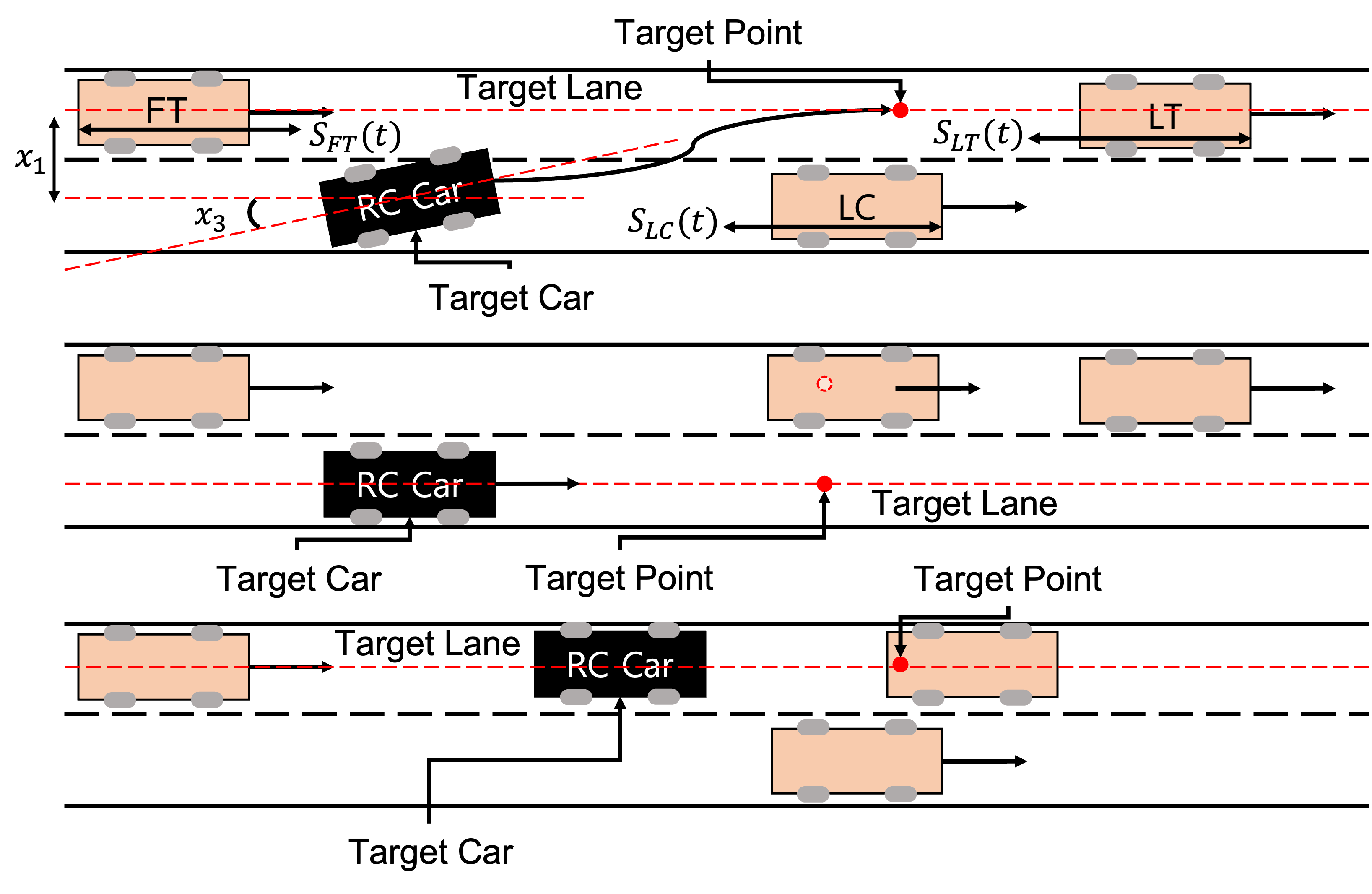 Control and Networks Lab, NYU
 -
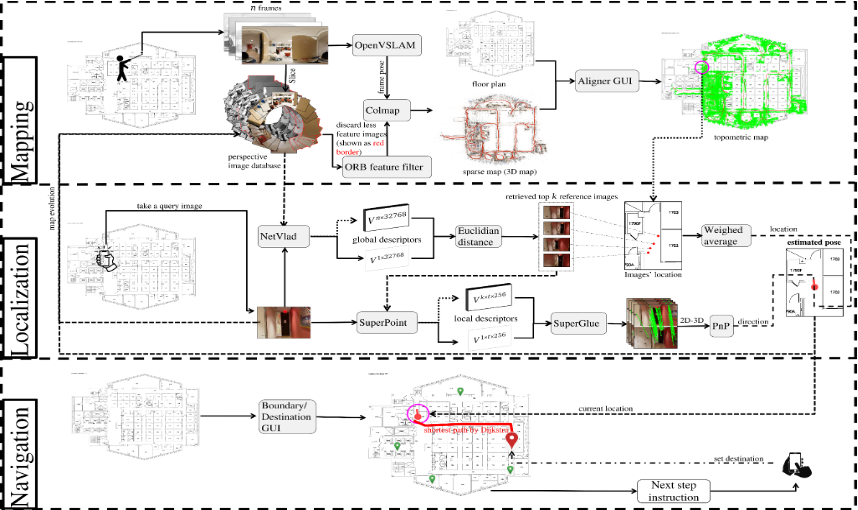 AI4CE Lab, NYU
 -
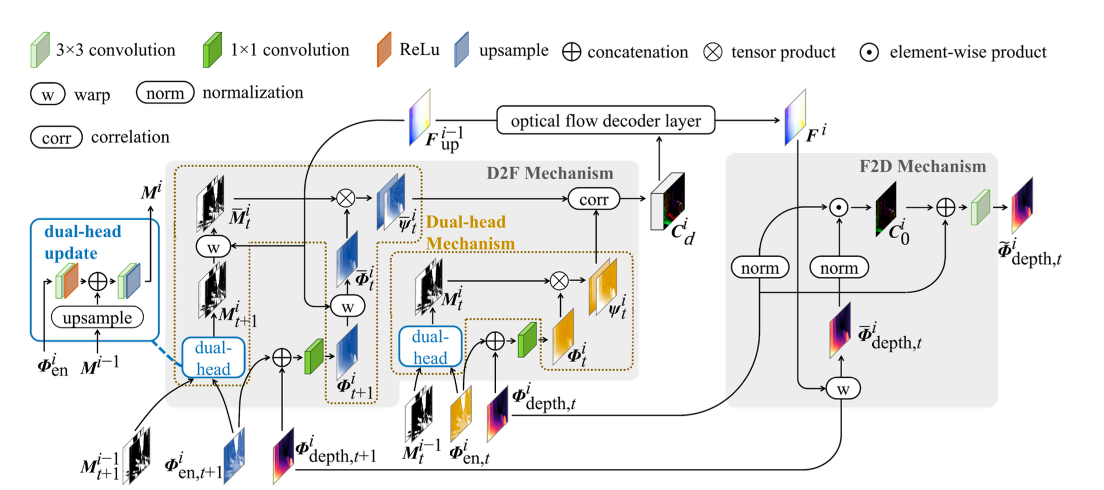 Oxford University, UK
 -
 Tongji University, Shanghai, China